Display technology, explained plainly.
Essays and explainers from Alter Ego on display technology, design and the way we release each reference.
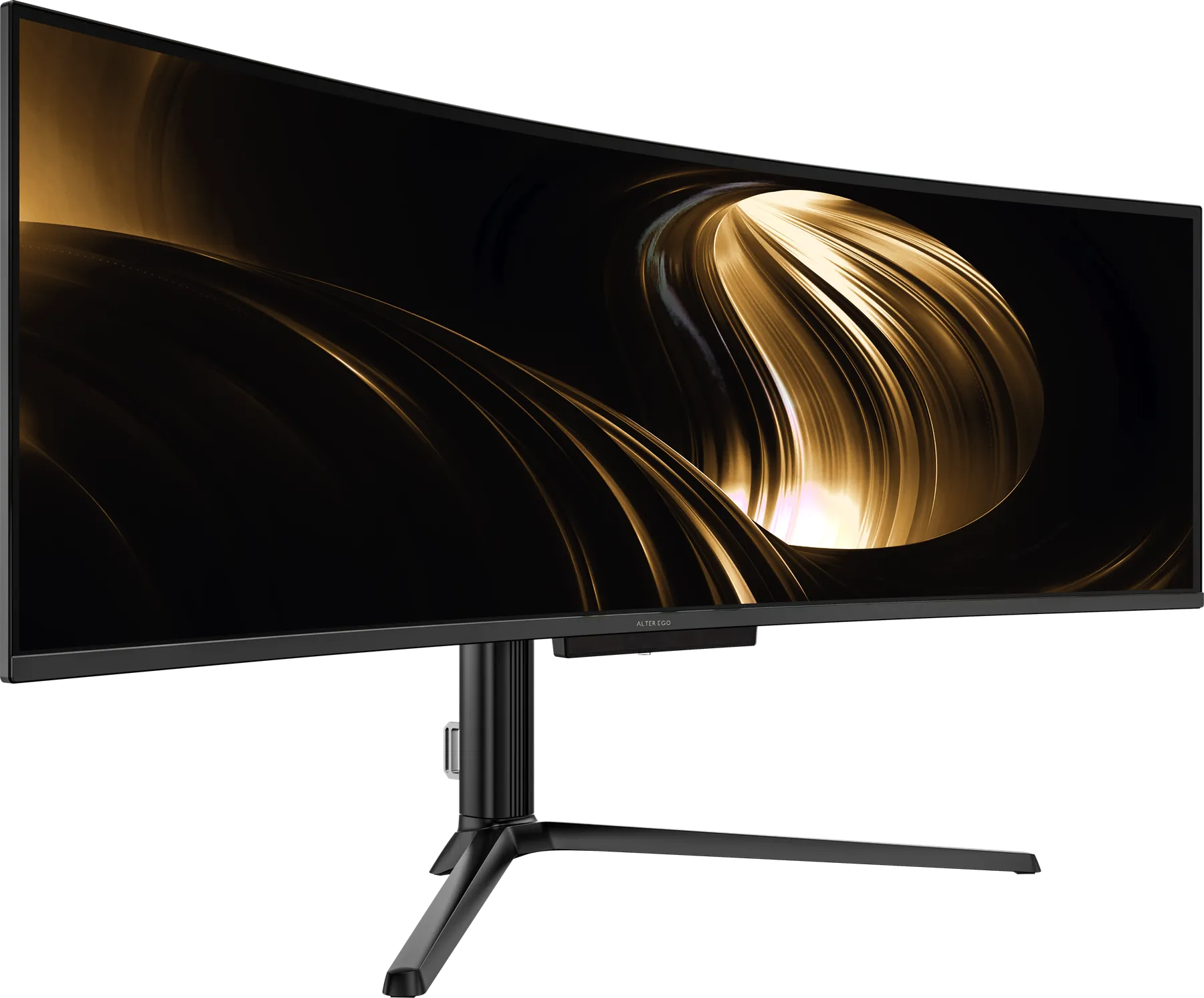
HDR on a monitor: what the DisplayHDR tiers mean
"HDR" on a monitor can mean very different things. A guide to VESA DisplayHDR tiers, the True Black tiers for OLED, and what to expect from each.
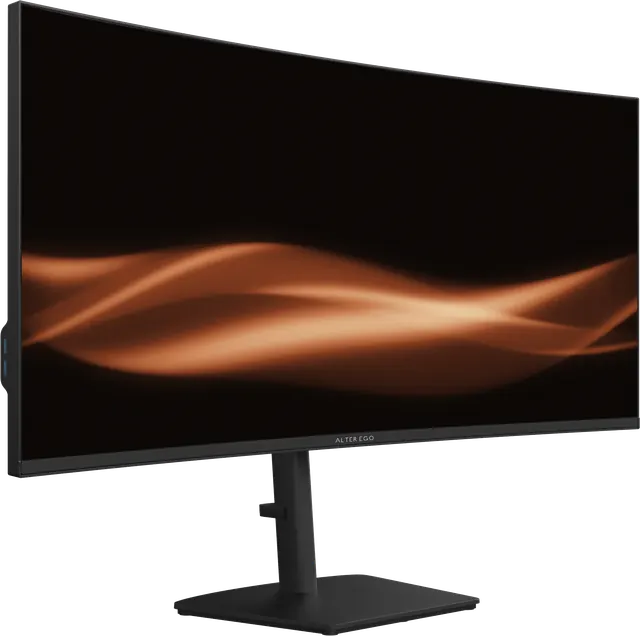
IPS vs VA vs OLED: which monitor panel is right for you?
The three main monitor panel types compared on contrast, colour, viewing angles, response and brightness, with a clear recommendation for each kind of work.
OLED or mini-LED for creative work?
Both promise deep blacks and HDR. One lights each pixel; the other dims thousands of zones behind an LCD. How they differ for photography, video and design.
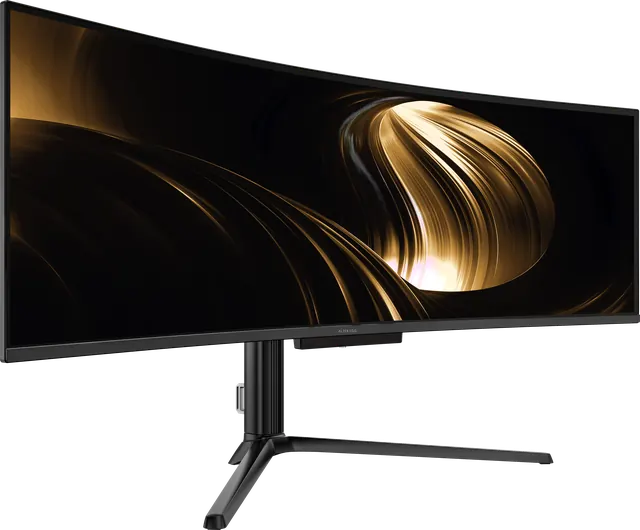
QD-OLED and WOLED, explained without the marketing
There are two main families of large OLED display panels. Here is how QD-OLED and WOLED differ in construction, colour and text rendering, in plain language.
The case for 5K2K in a creative studio
A 40-inch display at 5120 × 2160 holds a full 4K frame with room to spare. Why 5K2K suits photographers, editors and designers, and what the numbers mean.
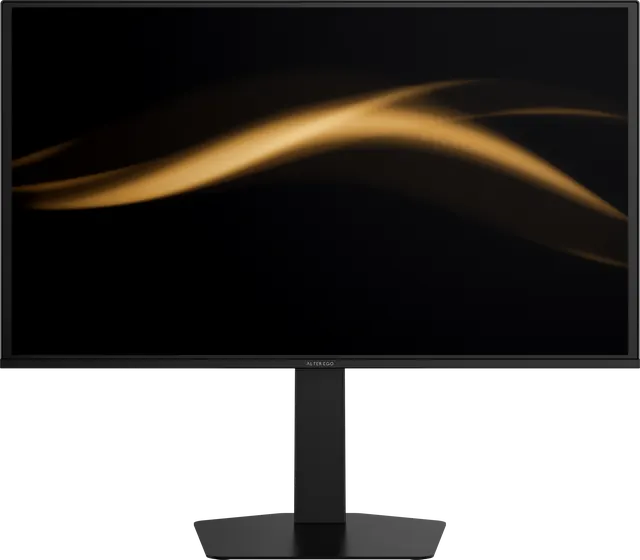
True black: what self-emissive OLED actually changes
On an OLED display every pixel makes its own light and can switch fully off. This is what that does to contrast, motion and colour, and where it matters.
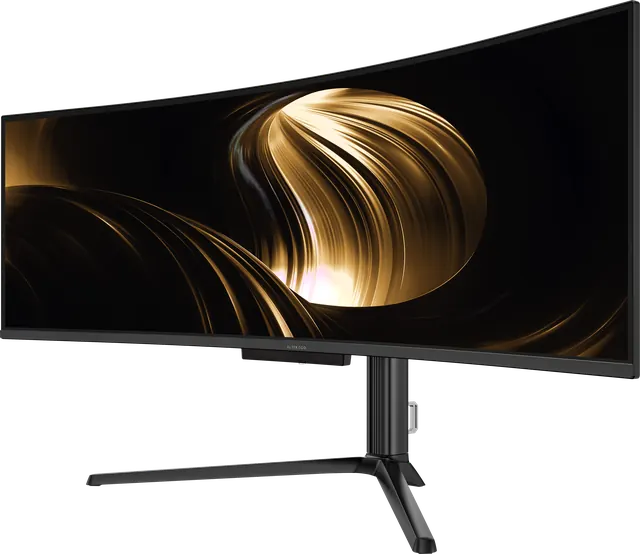
What 0.03 ms response time means
A 0.03 ms grey-to-grey response time means a pixel finishes changing in three hundredths of a millisecond. Why that matters for motion, and why only OLED reaches it.
What 240 Hz actually gives you
A higher refresh rate shortens the time between frames. What that changes for motion, for everyday work and for games, and what your computer needs to deliver it.

What does 1800R mean on a curved monitor?
1800R means the screen curves along a circle with a radius of 1800 millimetres. How curvature ratings work, and how 1500R, 1800R and 2500R compare.
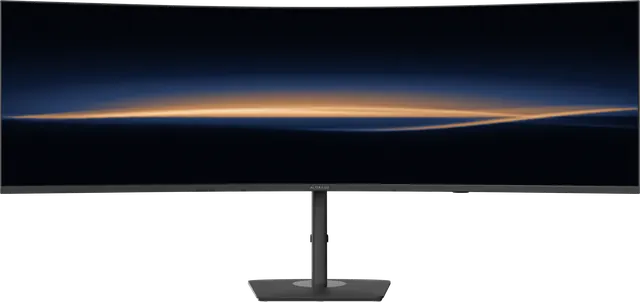
What is HDR400?
HDR400 refers to the VESA DisplayHDR 400 tier, the entry level of HDR certification. What it means, what it does not, and how True Black 400 differs.
What is a 32:9 monitor?
A 32:9 monitor is twice as wide as a standard 16:9 screen at the same height, usually 49 inches at 5120 × 1440. A short definition.
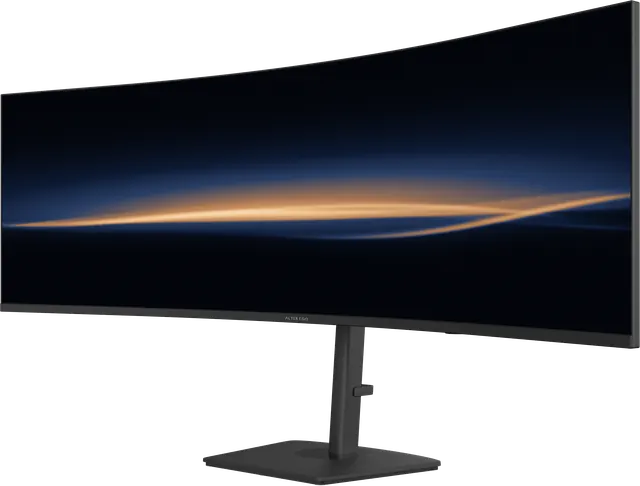
What is a 5K monitor?
"5K" describes a display about 5,000 pixels wide. It covers several different shapes, from 5120 × 1440 ultrawides to 5120 × 2160 and 5120 × 2880. What each one is for.
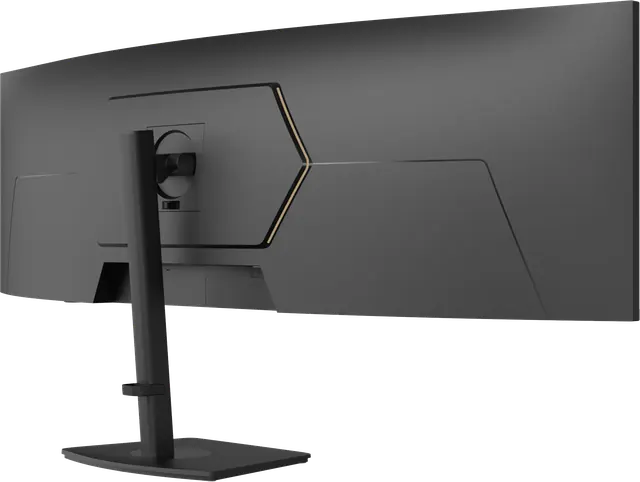
What is a KVM monitor?
A KVM monitor has a built-in switch that lets one keyboard, mouse and display control two computers. How it works and who it is for.
What is a QD-OLED monitor?
A QD-OLED monitor uses self-emissive blue OLED pixels and a quantum-dot layer to create red and green. The result is true black with unusually saturated, bright colour. A short definition and what it means for you.
What is a good contrast ratio for a monitor?
Contrast ratio compares a display's brightest white to its darkest black. Typical figures for IPS, VA and OLED, what "dynamic contrast" really means, and what to look for.
Who a 32:9 display is for
A 49-inch 32:9 display at 5120 × 1440 is two QHD screens without the seam. Here is who benefits, what curvature does, and what to check before choosing one.
sRGB, DCI-P3 and Adobe RGB, explained
Colour-gamut figures only mean something once you know the colour space behind them. A plain guide to sRGB, DCI-P3, Adobe RGB and Rec. 2020, and which one your work uses.