OLED or mini-LED for creative work?
Both promise deep blacks and HDR. One lights each pixel; the other dims thousands of zones behind an LCD. How they differ for photography, video and design.
High-end displays now come in two broad families when it comes to contrast: OLED, and LCD with a mini-LED backlight. Both aim for deep black and bright highlights. They get there in fundamentally different ways.
Mini-LED: an LCD with a smarter backlight
A mini-LED display is still an LCD. Light comes from a backlight behind the panel, and liquid crystals block or pass it. The improvement is that the backlight is made of thousands of tiny LEDs grouped into dimming zones, which can be turned down behind dark parts of the image.
The strengths are real: high sustained brightness, especially across large bright areas, and no concern about static content. The limitation is that zones are much larger than pixels. A bright object on a black background, such as a star, a cursor or white text, lights its whole zone, and a faint halo called blooming appears around it.
OLED: light at the pixel
An OLED panel has no backlight. Each pixel makes its own light and can switch fully off. Contrast is controlled per pixel rather than per zone, so there is no blooming: a single bright pixel can sit next to a fully black one. Response is near-instant, 0.03 ms grey-to-grey on Nocturne 49 and Solitaire 27.
OLED's trade-offs are more modest full-screen brightness and the need for sensible habits with static content.
Which suits which work
- Dark, high-contrast imagery, film and HDR grading in a controlled room: OLED. Per-pixel black and no blooming show shadows and specular highlights as they are.
- Bright rooms and long days of white documents: mini-LED's sustained brightness is an advantage, and a high-resolution LCD such as Atelier 40 suits pixel-dense design and photo work.
- Motion, games and simulators: OLED, for its response time.
Our choice
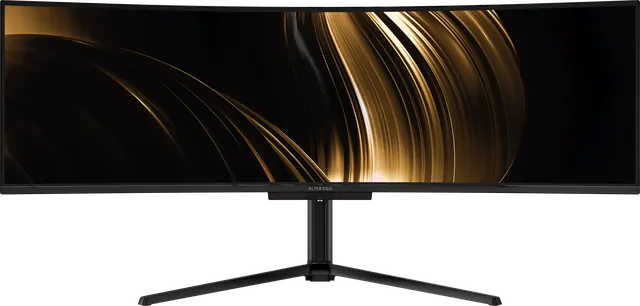
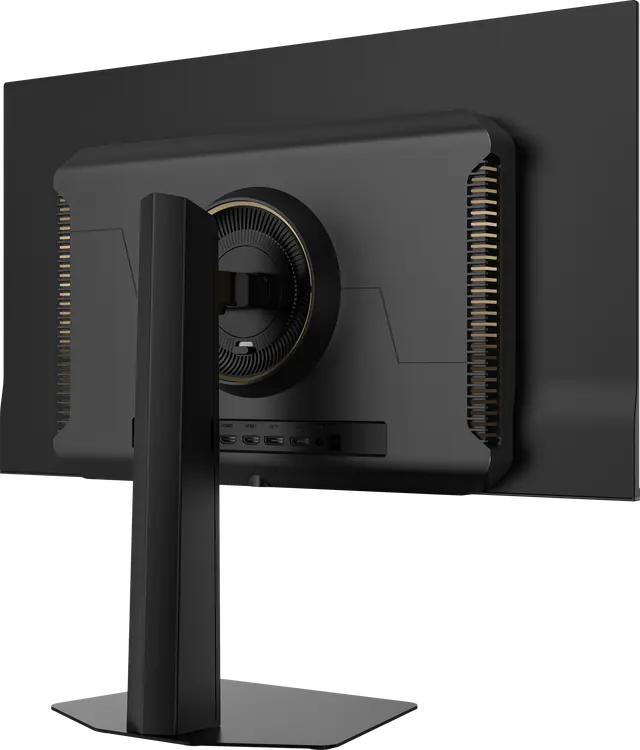
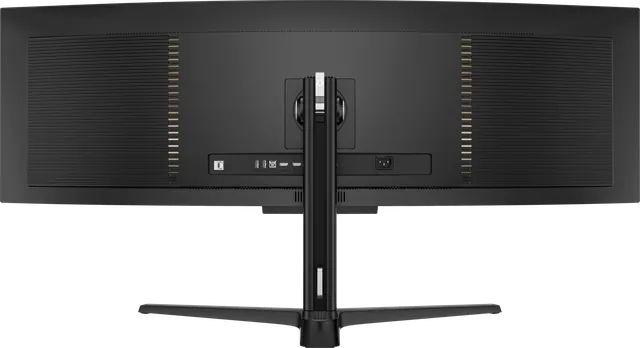
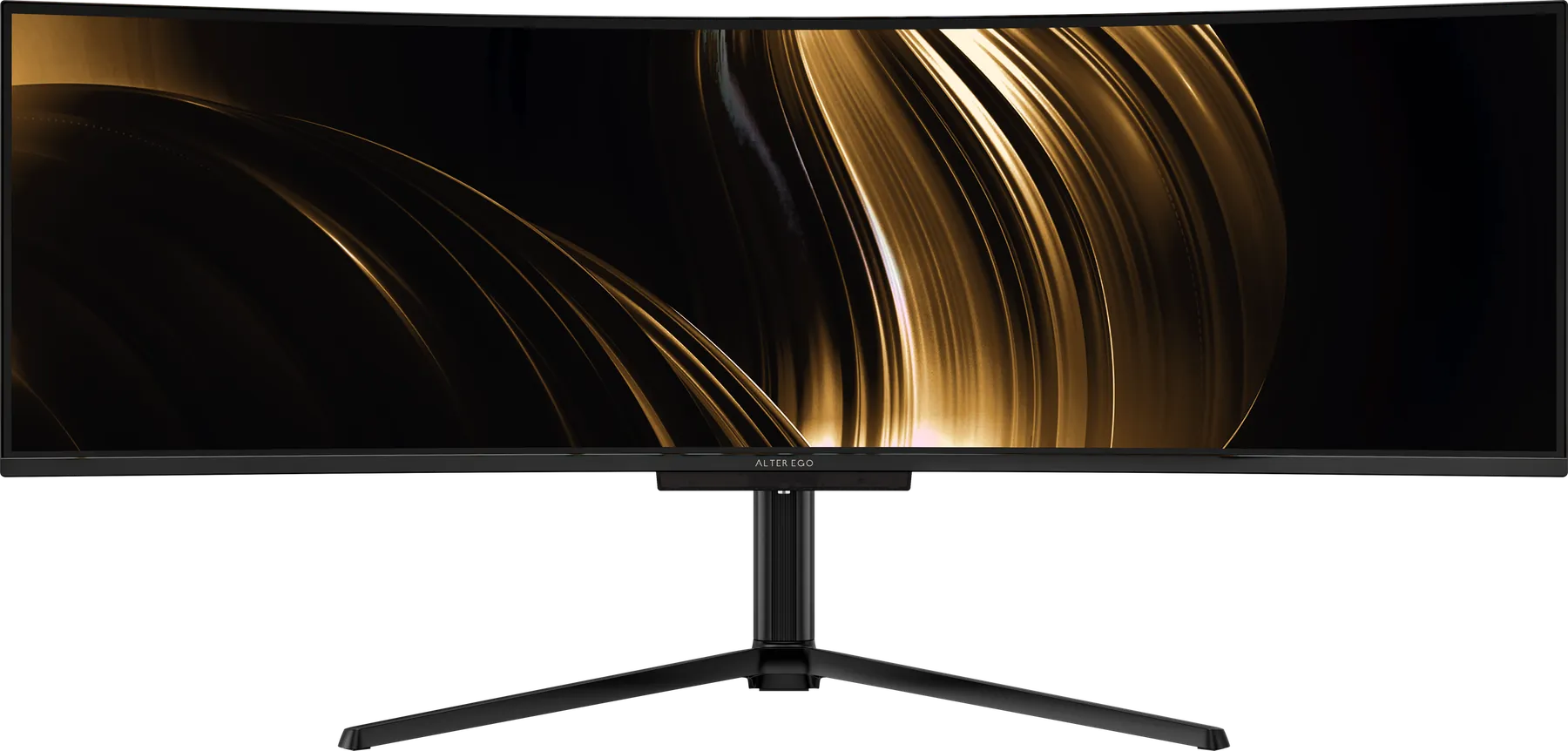
Alter Ego offers OLED where black and motion matter most, in Nocturne 49 and Solitaire 27, and a 5K2K panel with 99% DCI-P3 where resolution matters most, in Atelier 40. Choosing your Alter Ego display.