The case against RGB
Alter Ego displays carry no colour-changing RGB effects. Why we left them out, and what we put in their place.
For a decade, high-performance displays have been styled the same way: angular plastics, aggressive vents and coloured lighting. The assumption is that a fast display should look fast.
We think a fast display should look like nothing at all, and then get out of the way of the picture.
What lighting does in a room
A display sits in your field of view all day. Coloured light on its back or base spills onto the wall and into the corner of your eye. In a dim room, the one where an OLED panel looks its best, it competes with the picture. In a bright studio, it looks like a toy among furniture.
What we chose instead
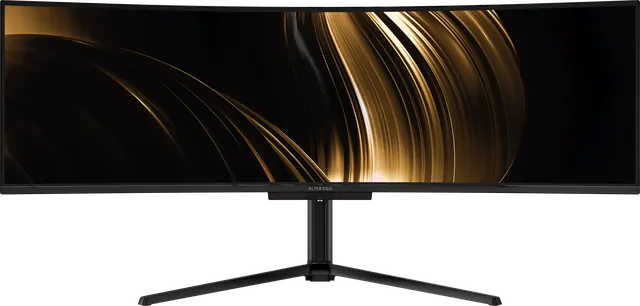
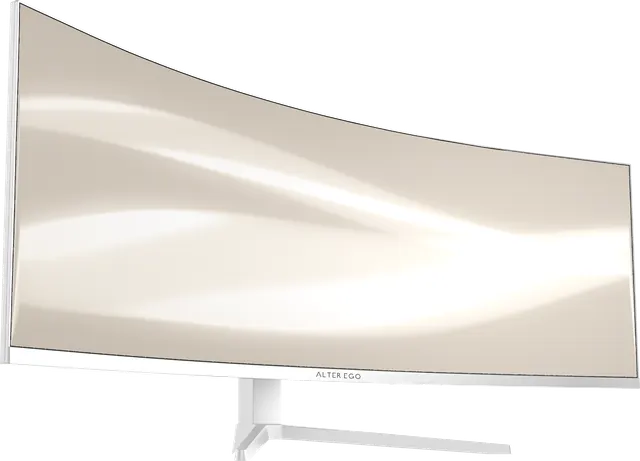
- Two finishes. Ink black, which recedes in the evening, and ivory, which belongs in daylight.
- One signature. A single wordmark printed beneath the panel, in champagne on ink.
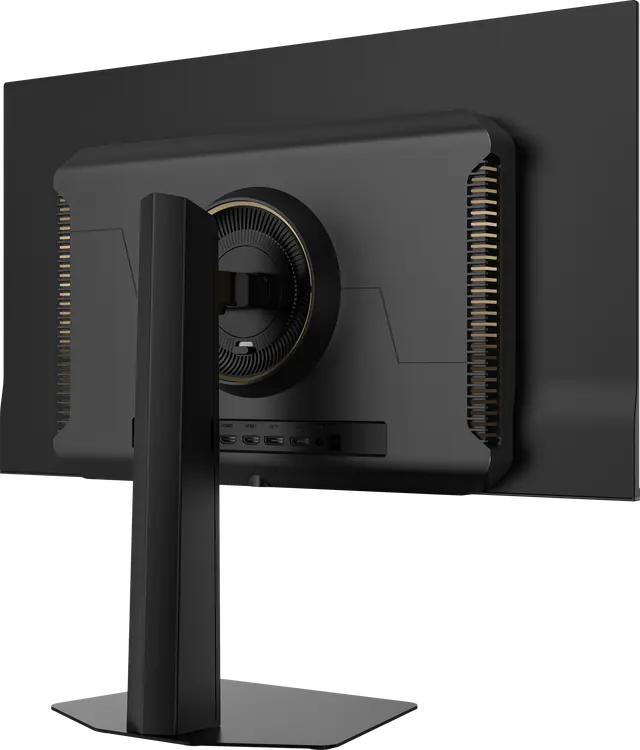
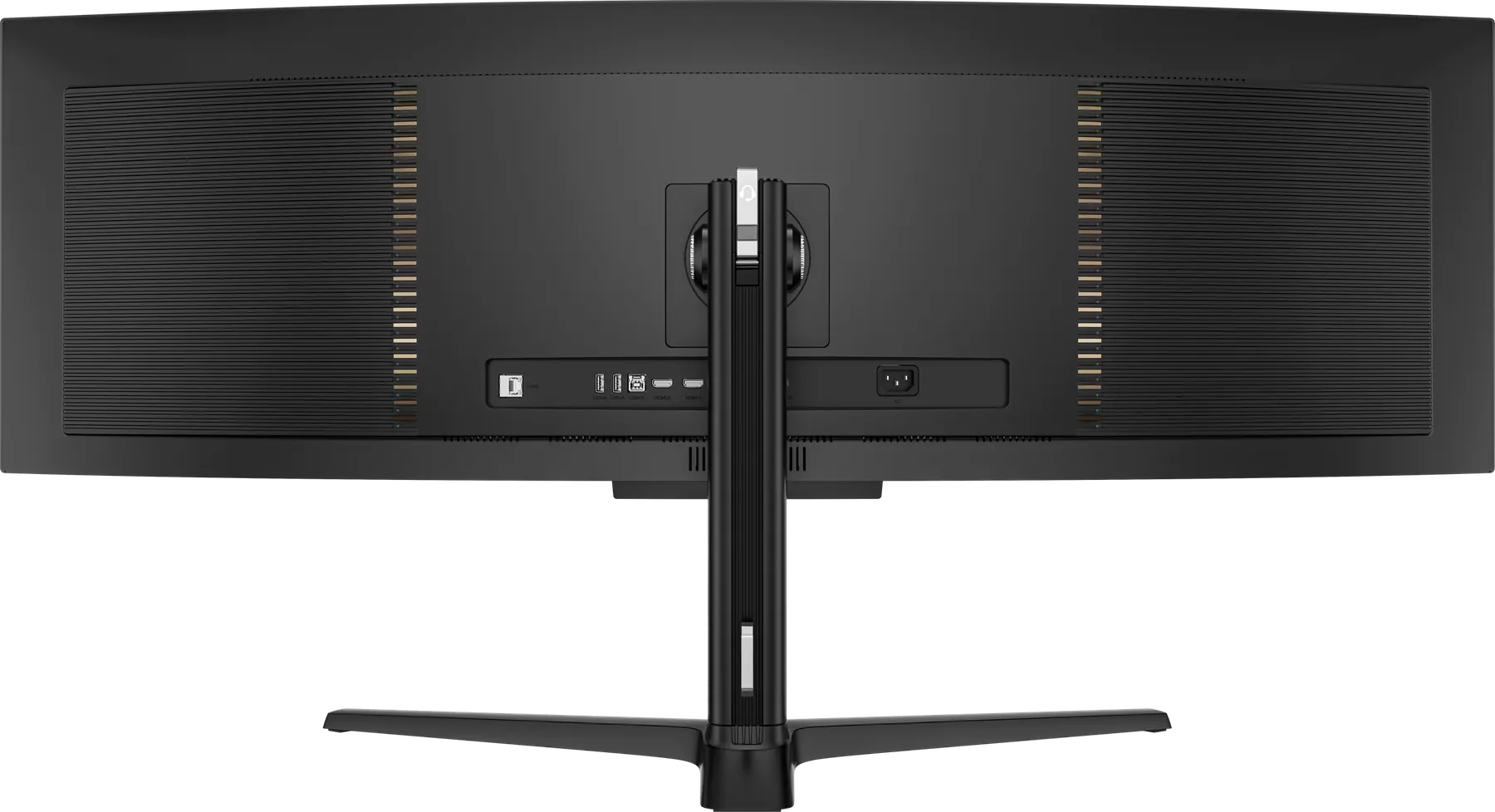
- A finished reverse. Ribbed, faceted or sculpted, depending on the reference. Where there is an accent light at all, it is one warm, steady tone, never a colour cycle.
Performance without the costume
Leaving out the light show takes nothing away. Nocturne 49 refreshes at 240 Hz with 0.03 ms response; Solitaire 27 at 280 Hz. They are among the fastest displays you can put on a desk, and they look at home in a study, a studio or a living room.
The principle
Everything on an Alter Ego display either makes the picture better or makes the object calmer. Colour-cycling light effects do neither, so they are not there. What makes a monitor a luxury object?