Building a considered desk
The display is the anchor of a desk. Notes on building the rest around it: surface, light, cables, and the few objects worth keeping in view.
A desk is a small room within a room. Most of its character comes from three things: the surface, the light, and the largest object on it, which is almost always the display. Start there.
Start with the display
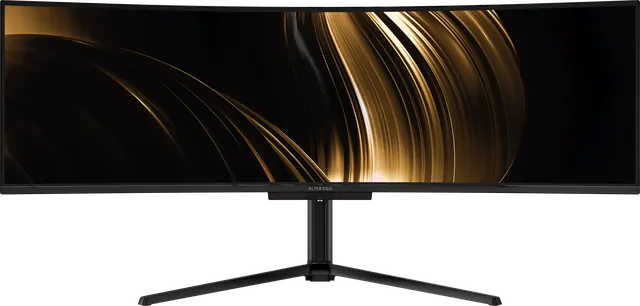
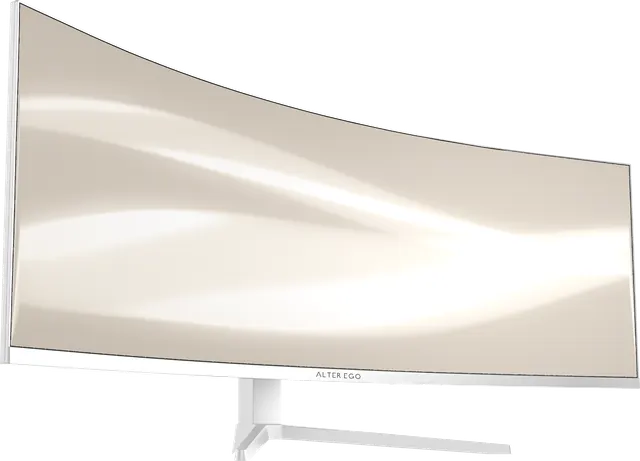
Choose the display first, then build around it. Its width sets the width of the desk; its finish sets the palette. An ink display anchors a dark wood or black desk; an ivory display suits oak, ash, stone or white. Why ink and ivory.
The surface
Give the display room. A 27-inch display like Solitaire 27 is comfortable on a desk 48 inches wide; a 49-inch display like Horizon 49 wants 55–60 inches. A deeper desk, 28 inches or more, lets you sit at a comfortable distance.
Light
One soft lamp to the side, warm rather than blue, and no bright window directly behind you or behind the display. In the evening, lower the display's brightness to match the room. Setting up your display.
Cables
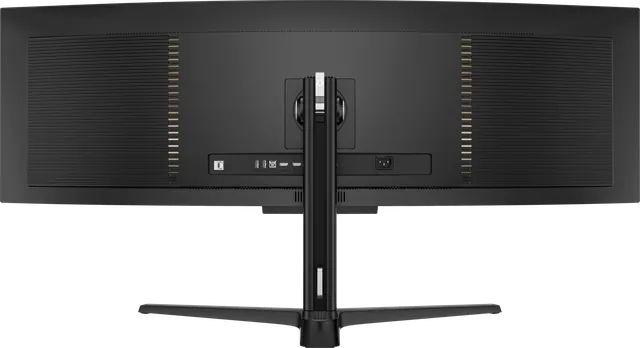
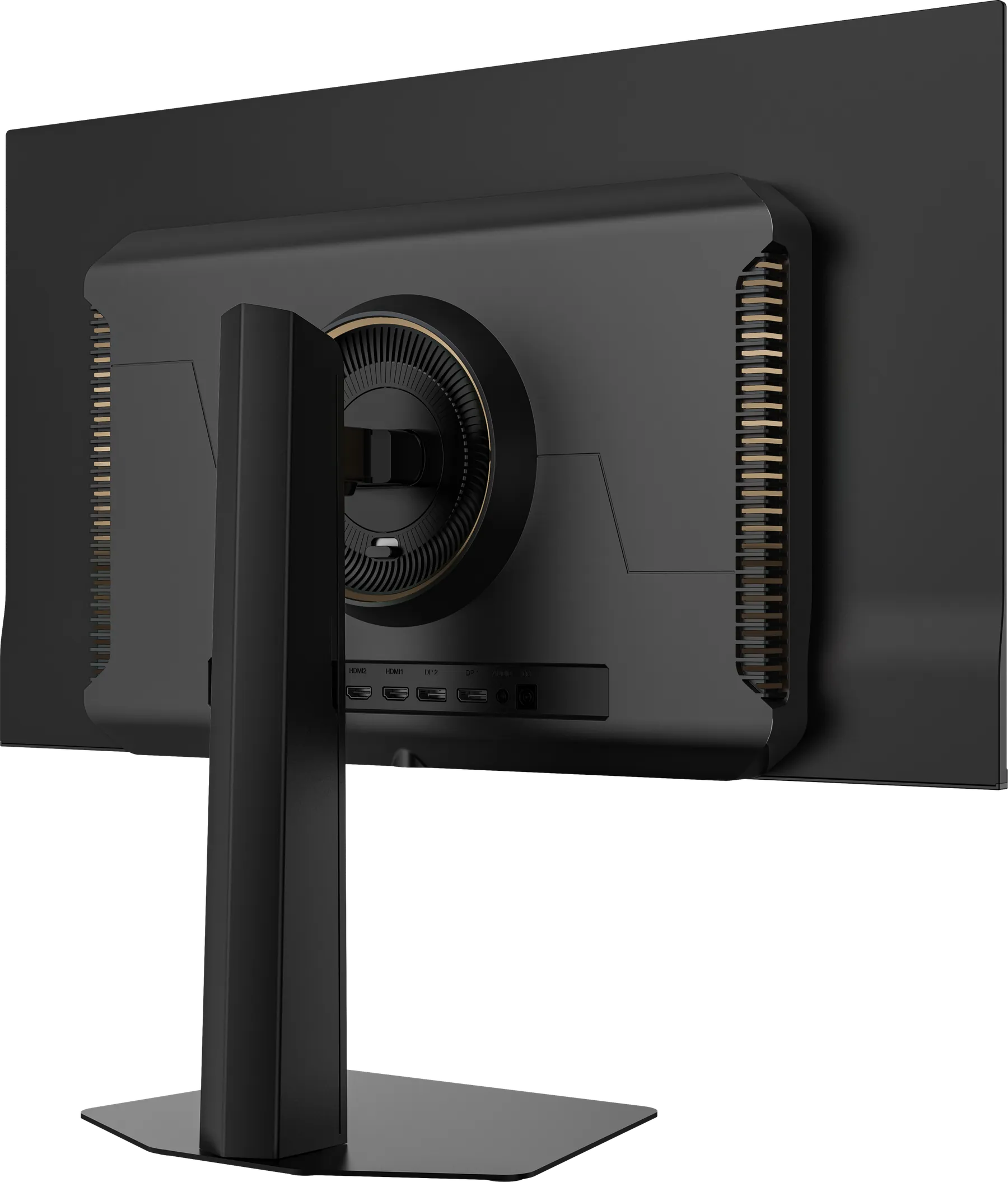
Every cable you can remove makes the desk calmer. A display with USB-C power delivery connects a laptop with one cable; a display with a KVM serves two computers from one keyboard. Lead what remains down behind the stand. One cable, two computers.
Objects
Keep a few things in view that you would choose again: a good pen, a notebook, perhaps a watch at the end of the day. Everything else belongs in a drawer.
The test
Switch the display off and look at the desk. If it still looks right, you have built it well.