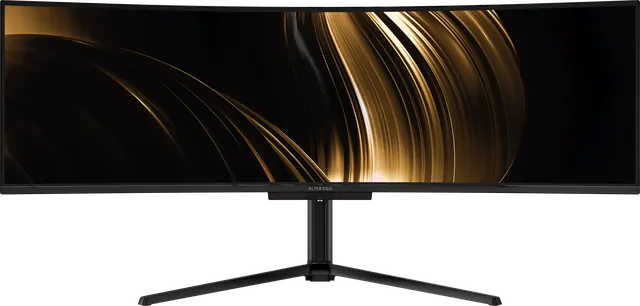
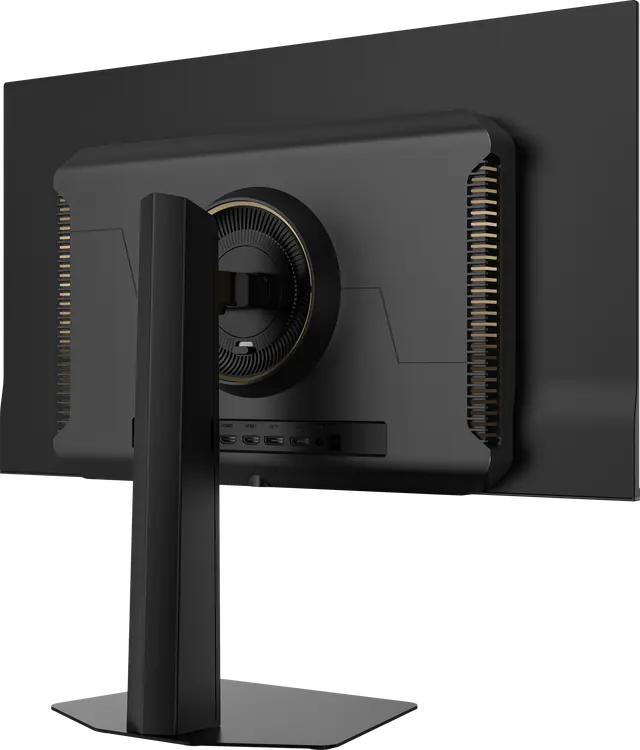
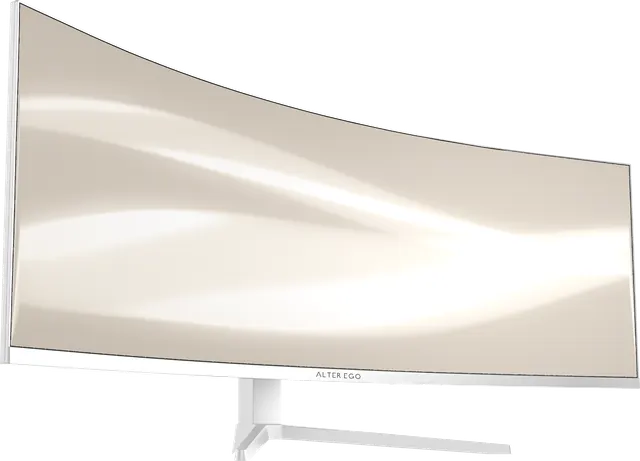
IPS vs VA vs OLED: which monitor panel is right for you?
The three main monitor panel types compared on contrast, colour, viewing angles, response and brightness, with a clear recommendation for each kind of work.
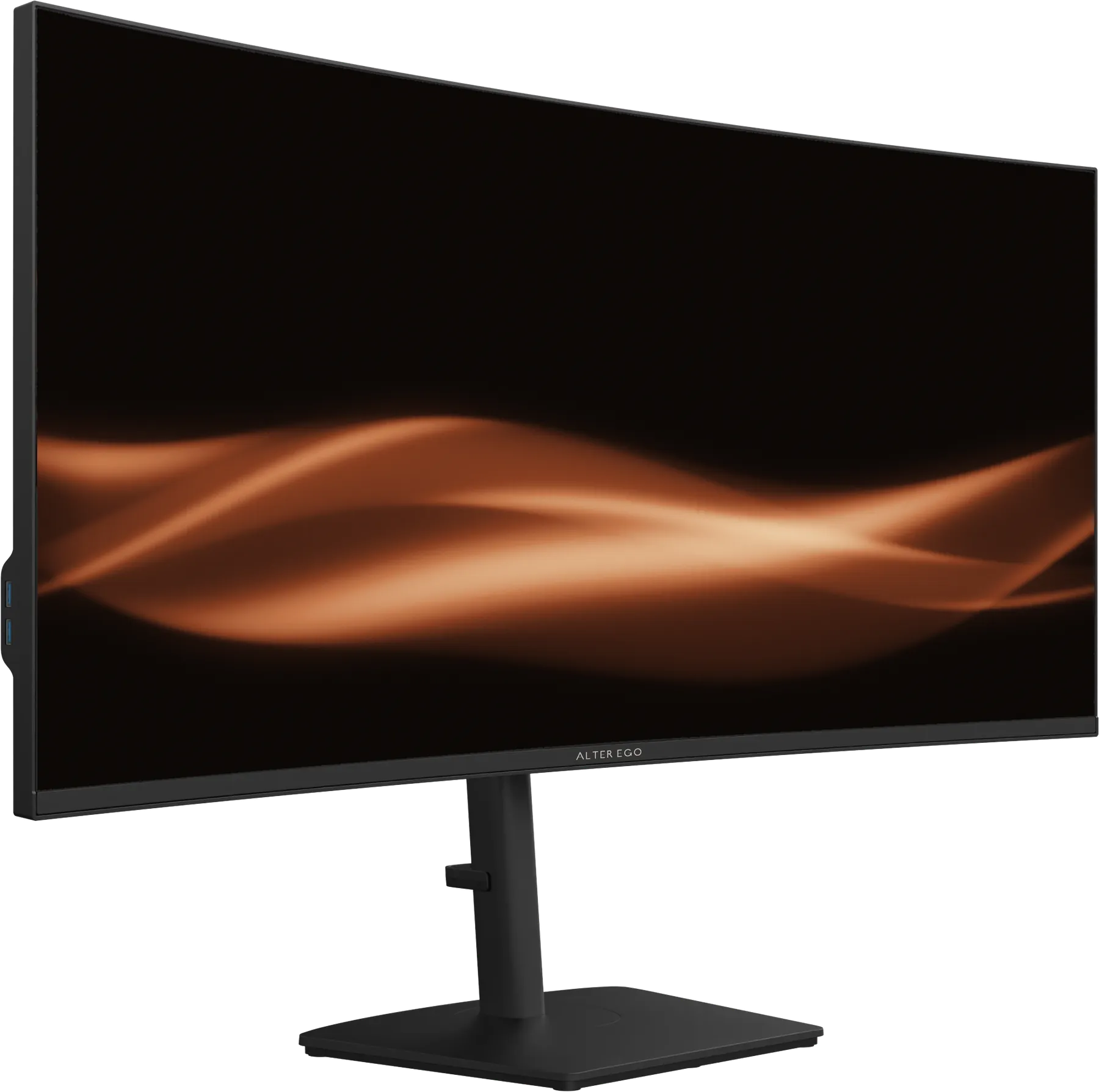
Almost every monitor uses one of three panel technologies: IPS, VA or OLED. Each has a distinct character. Alter Ego uses all three, each where it is strongest.
At a glance
| IPS | VA | OLED | |
|---|---|---|---|
| Contrast | ~1000–2000:1 | ~3000–4000:1 | ~1,500,000:1 |
| Black level | Grey glow in the dark | Deeper | True black (pixels off) |
| Viewing angles | Wide | Narrower | Very wide |
| Response | Fast | Slower in dark transitions | Near-instant (0.03 ms GtG) |
| Sustained brightness | High | High | More modest full-screen |
| Static content | No concerns | No concerns | Sensible habits advised |
IPS: colour and angles
In-plane switching panels are known for consistent colour from wide angles and accurate, wide-gamut colour. Their weakness is contrast: blacks glow slightly in a dark room. Alter Ego uses IPS in Atelier 40, where 5120 × 2160 resolution and 99% DCI-P3 matter most for photo, video and design.
VA: contrast for an LCD
Vertical alignment panels offer two to four times the contrast of IPS, so dark scenes look deeper, and they suit large curved formats. Viewing angles are narrower, and some dark transitions are slower. Alter Ego uses VA in Horizon 49: 3000:1 contrast across a 49-inch, 1500R working ultrawide.
OLED: light at the pixel
OLED pixels make their own light and switch fully off, so contrast is effectively unlimited and response is near-instant. Full-screen brightness is more modest and static content asks for a few habits. Alter Ego uses OLED in Nocturne 49 (QD-OLED) and Solitaire 27.
Which should you choose?
- Photo, design and colour work in a lit studio: IPS.
- Wide multitasking with good contrast: VA.
- Film, HDR, games and dark rooms: OLED.