OLED burn-in, explained calmly
What OLED burn-in actually is, what causes it, how likely it is in normal use, and the simple habits that prevent it.
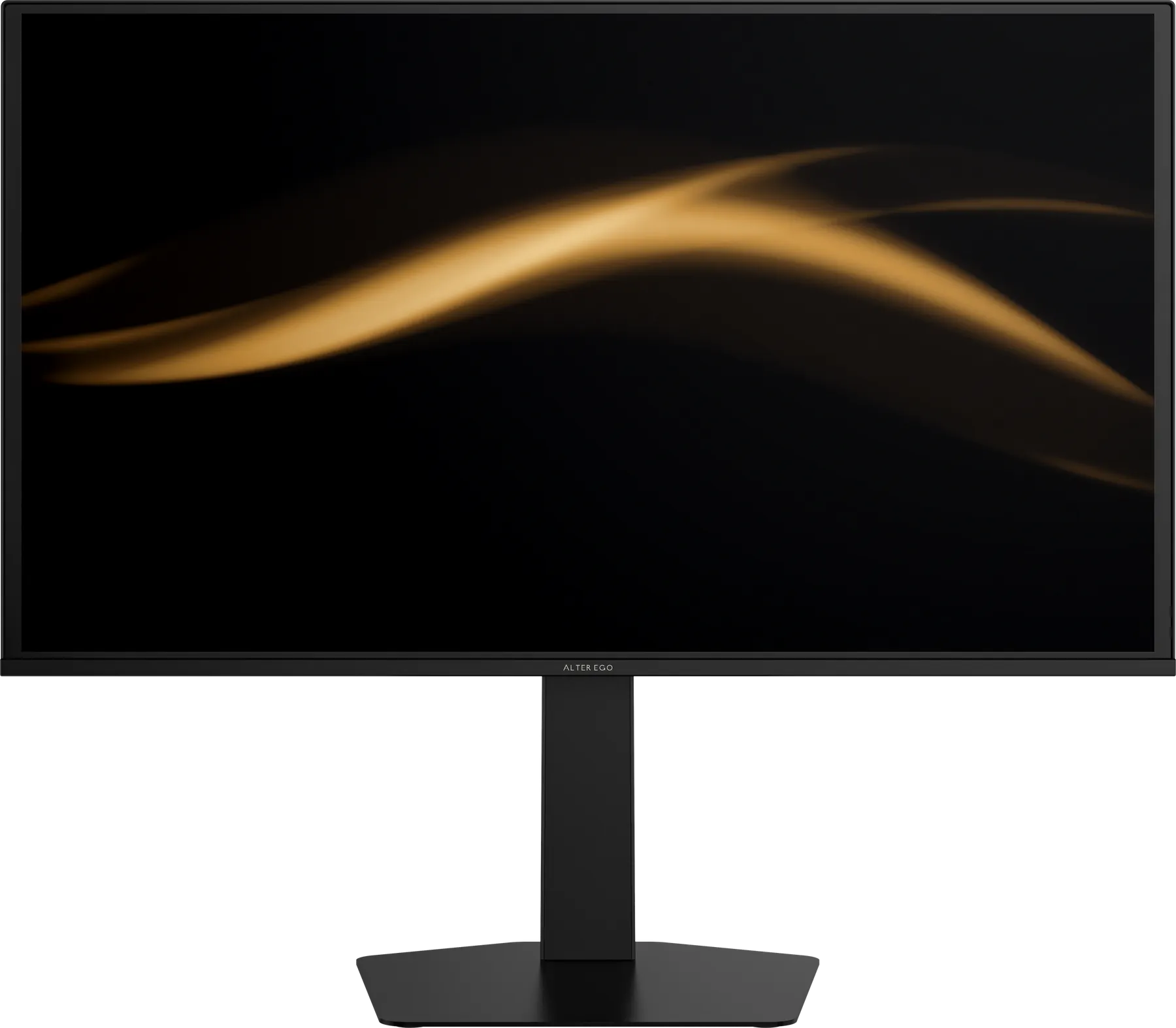
OLED burn-in is uneven, lasting wear of a display's pixels caused by showing the same bright, static image in the same place for very long periods. It appears as a faint ghost of that image, such as a taskbar or a game's interface, visible on plain backgrounds.
Why it happens
OLED pixels produce their own light from organic materials that gradually age as they are used. If most of the screen shows changing content but one small area shows the same bright element for thousands of hours, those pixels age faster than their neighbours.
Retention is not burn-in
Temporary image retention, a faint after-image that disappears after a few minutes of varied content, is common and harmless. Burn-in is the permanent version and takes far longer to develop.
How likely is it?
In varied use, such as work across different applications, films, games and browsing, wear is spread across the panel. The risk rises with long hours of one unchanging, bright layout at high brightness, day after day.
Simple habits that prevent it
- Let the taskbar or dock hide automatically.
- Use dark themes where you can.
- Turn the display off or use a black screen saver when you step away.
- Avoid maximum brightness for static work.
- Leave the display connected to power when it sleeps, so it can run the short pixel-refresh routine OLED displays commonly perform in standby.
Is it worth it?
For true black, 0.03 ms response and 1,500,000:1 contrast, most people find these habits a small price. Alter Ego's OLED references are Nocturne 49 and Solitaire 27. Living with an OLED display.