What 0.03 ms response time means
A 0.03 ms grey-to-grey response time means a pixel finishes changing in three hundredths of a millisecond. Why that matters for motion, and why only OLED reaches it.
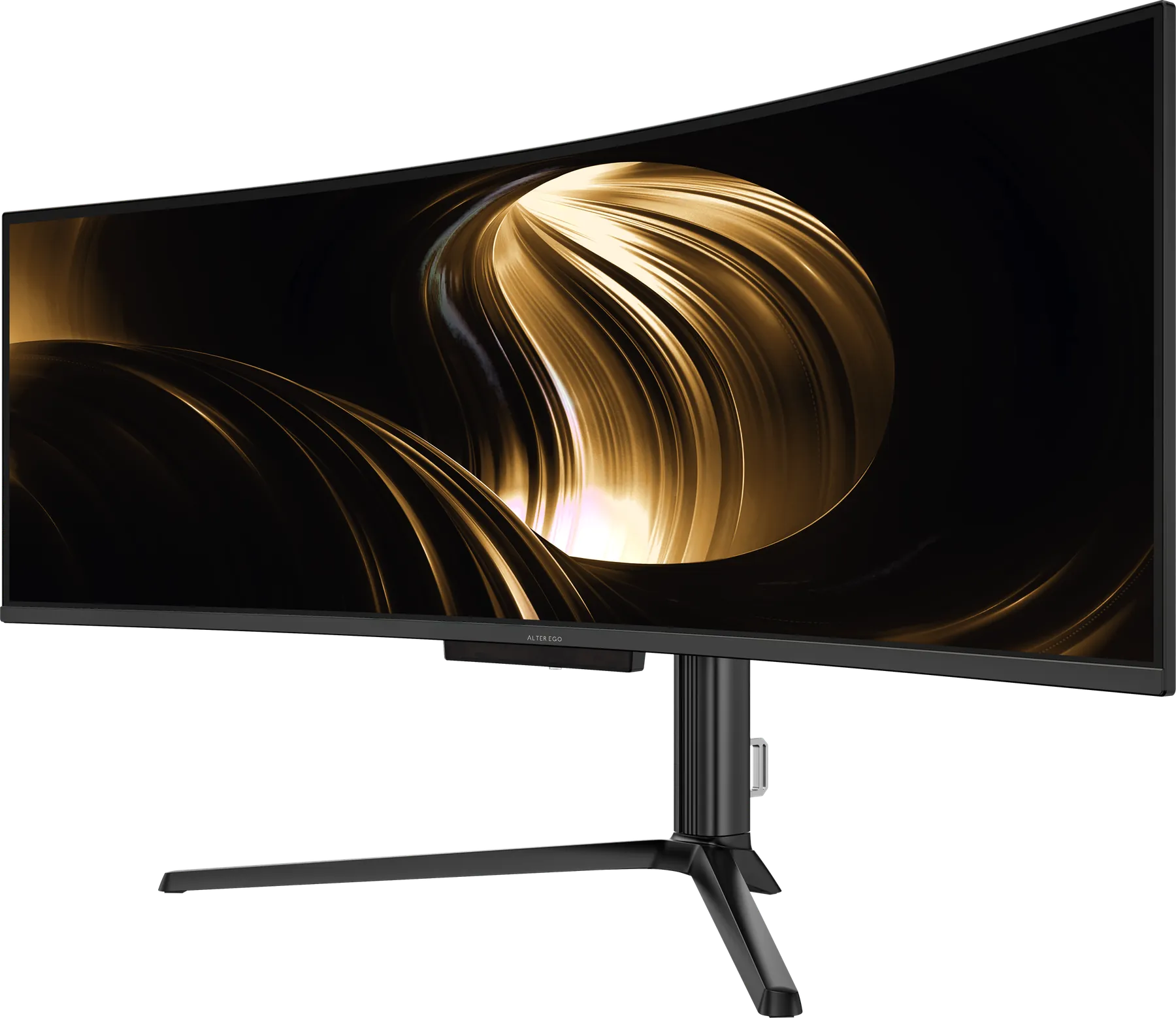
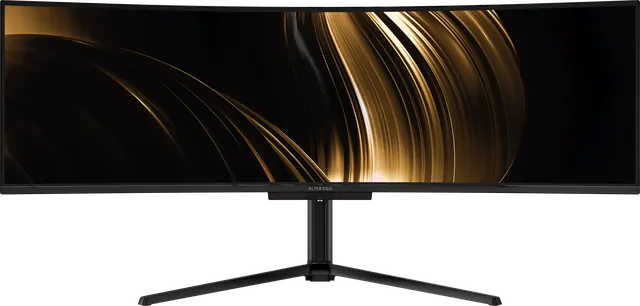
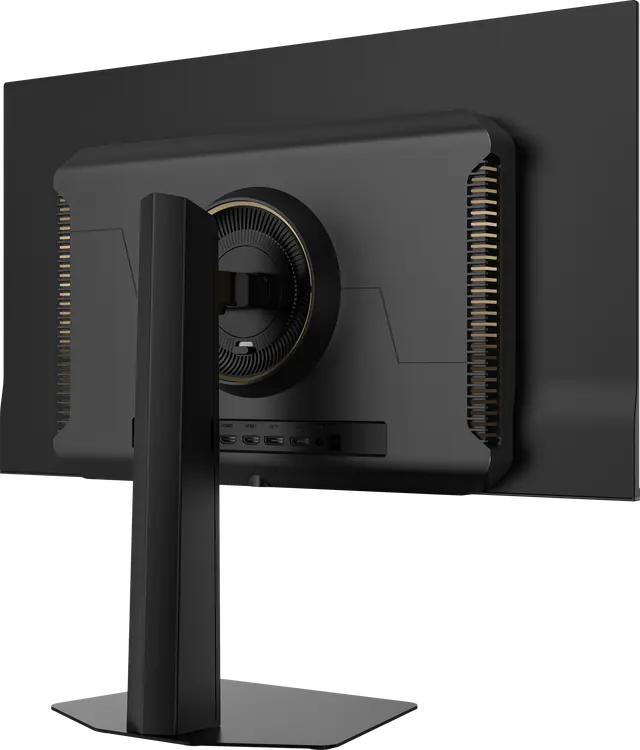
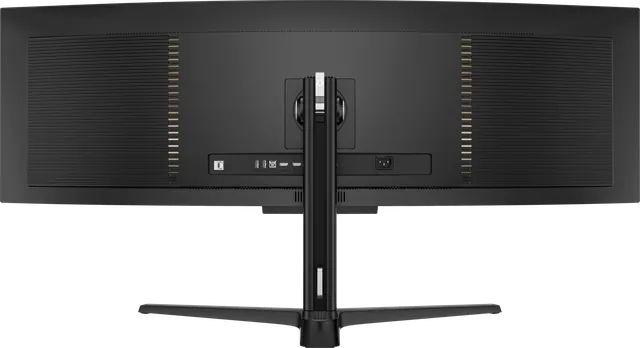
A 0.03 ms grey-to-grey response time means a pixel can change from one shade to another in 0.03 milliseconds: thirty microseconds. It is the specification on both Alter Ego OLED displays, Nocturne 49 and Solitaire 27.
In context
At 240 Hz, a new frame arrives every 4.2 milliseconds. A pixel that changes in 0.03 ms completes its transition within less than 1% of that frame time, so every frame is clean. A typical LCD pixel takes a few milliseconds, a large share of the frame, and its unfinished transitions blur into the next image as smearing or ghosting.
Why OLED is so fast
On an LCD, liquid crystals must physically rotate to change how much backlight passes through. On an OLED, the pixel simply changes how much light it emits, an electrical change that happens almost instantly.
What you see
- Moving objects stay sharp, with no dark trails behind them.
- Text remains legible while scrolling.
- Fast games and simulators feel immediate and precise.
GtG is not MPRT
Response times quoted as MPRT measure perceived blur, not pixel transition time, so the numbers are not directly comparable. We always say which measurement we mean. How to read a spec sheet.