What is a good contrast ratio for a monitor?
Contrast ratio compares a display's brightest white to its darkest black. Typical figures for IPS, VA and OLED, what "dynamic contrast" really means, and what to look for.
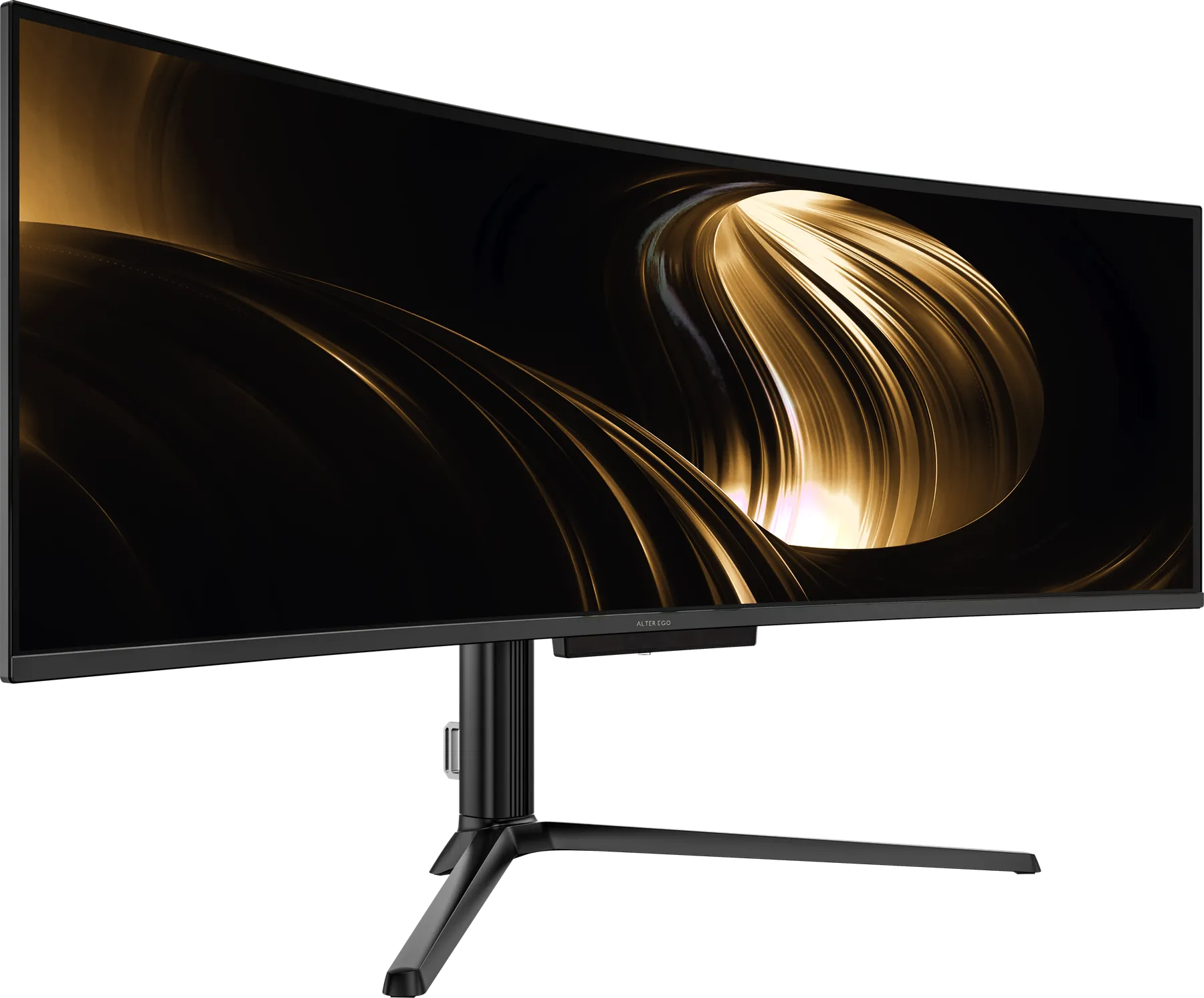
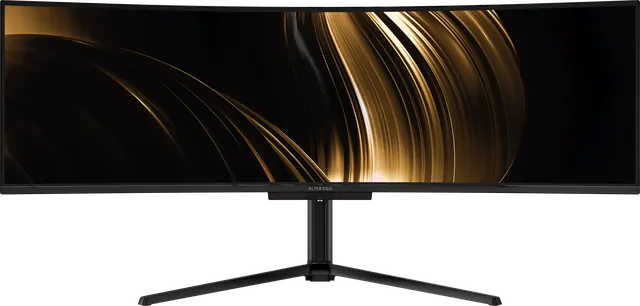
A monitor's contrast ratio is its brightest white divided by its darkest black, shown at the same time. 1000:1 means white is a thousand times brighter than black. Higher is better, because blacks look deeper and images look more dimensional.
Typical figures
- IPS LCD: about 1000–2000:1. Alter Ego Atelier 40 is rated 2000:1.
- VA LCD: about 3000–4000:1. Horizon 49 is rated 3000:1.
- OLED: effectively unlimited, because pixels switch fully off. Nocturne 49 and Solitaire 27 are rated 1,500,000:1.
So what is good?
For an LCD, 1000:1 is the baseline, 3000:1 is very good, and anything higher on a standard panel deserves scrutiny. For dark-room work, film and HDR, OLED's per-pixel black is in a different category altogether.
Beware "dynamic contrast"
Some specification sheets list "dynamic contrast" in the millions for LCDs. That figure compares the brightest backlight setting in one scene with the dimmest in another. It is not contrast within a single image, which is what you actually see. Native or static contrast is the honest number. How to read a spec sheet.
Contrast and your room
Room light lowers effective contrast: reflections and ambient light lift the black level of any screen. A dim, controlled room shows high-contrast displays at their best.