QD-OLED and WOLED, explained without the marketing
There are two main families of large OLED display panels. Here is how QD-OLED and WOLED differ in construction, colour and text rendering, in plain language.
"OLED" on a monitor box usually means one of two panel families. Both are self-emissive, so both deliver true black and near-instant response. They reach colour in different ways, and the differences show up in brightness, saturation and how text looks up close.
WOLED: white light, filtered
WOLED panels use organic emitters that together produce white light at every subpixel. Colour filters then turn that white into red, green and blue. Most WOLED panels add a fourth, unfiltered white subpixel to raise brightness.
The white subpixel is effective for brightness, but in very bright, saturated highlights it can make colours look slightly lighter and less saturated than the same scene at lower brightness.
QD-OLED: blue light, converted
QD-OLED panels start with blue OLED emitters. A layer of quantum dots, nanocrystals that absorb light and re-emit it at a precise colour, converts that blue into red and green at their subpixels. The blue subpixels pass blue through directly.
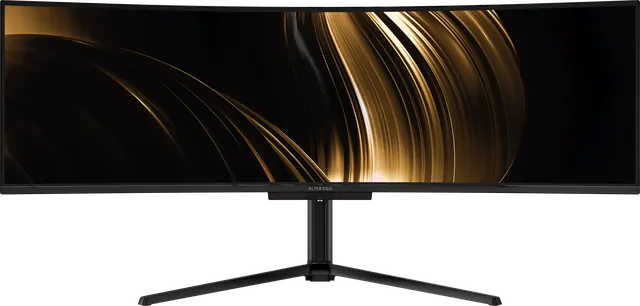
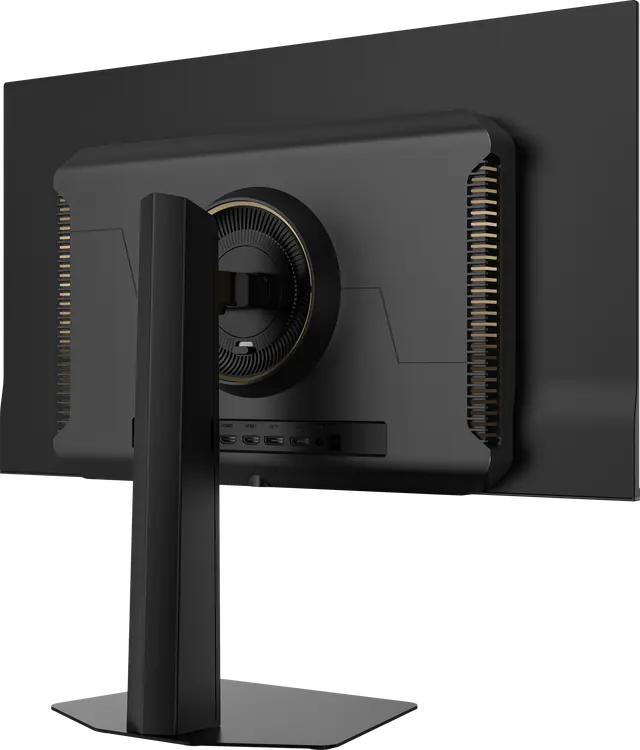
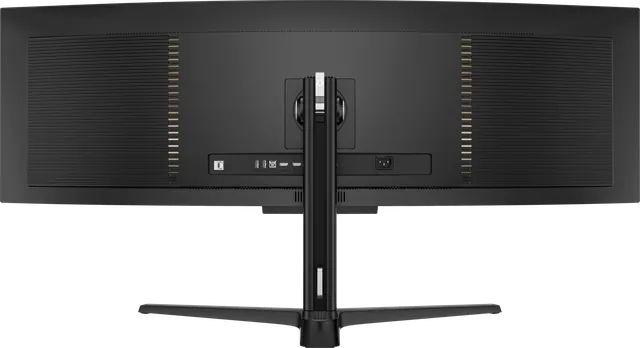
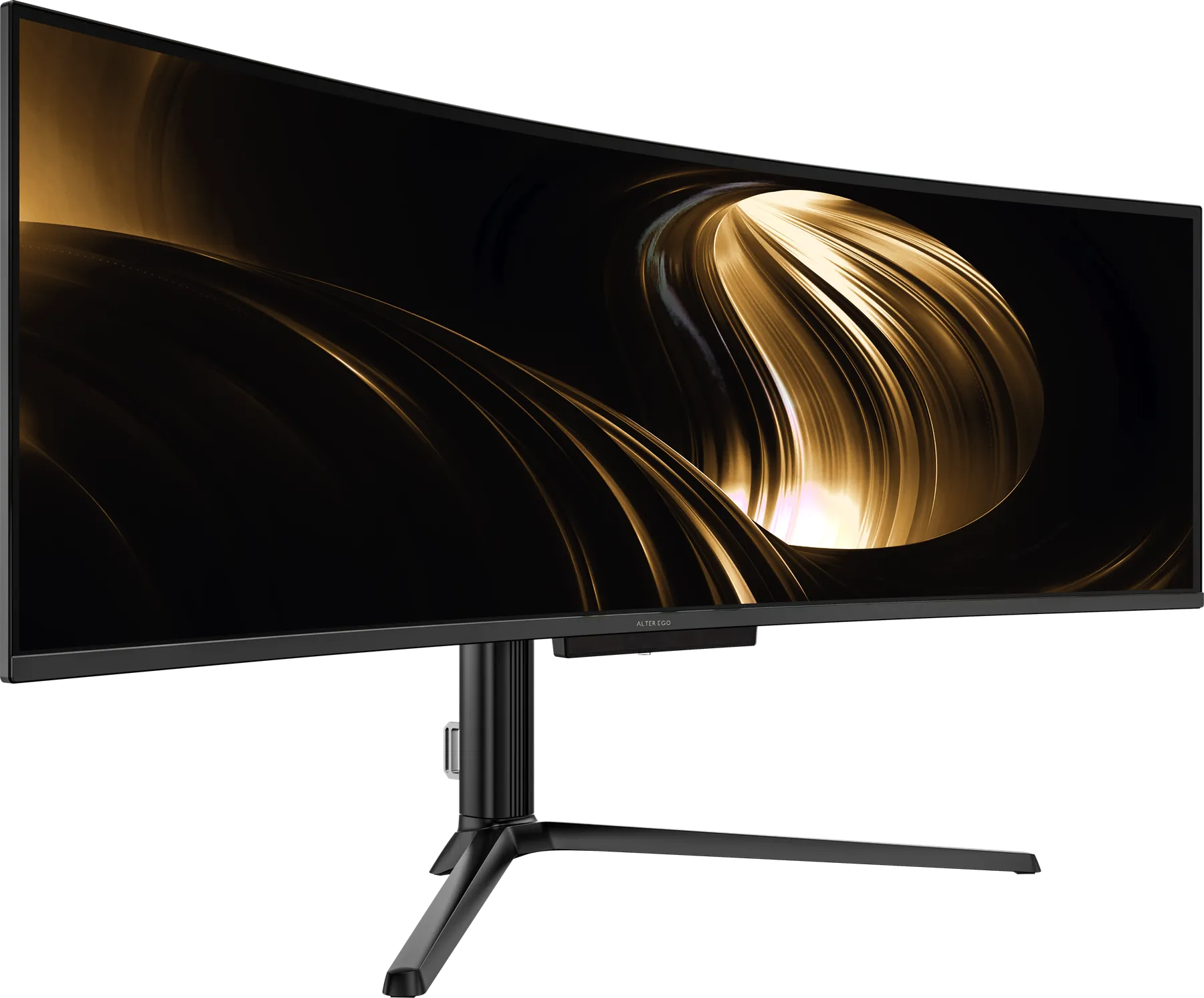
Because no colour filter is throwing light away, QD-OLED keeps colours saturated as they get brighter. This is why QD-OLED panels are known for wide colour volume. Nocturne 49 uses a QD-OLED panel and covers 99% of DCI-P3 and 99% of Adobe RGB.
Text and subpixels
Neither family uses the simple vertical red-green-blue stripe found on most LCDs. QD-OLED arranges its subpixels in a triangular pattern, and WOLED adds the white subpixel. Operating systems render text for the classic stripe, so on some OLED panels, fine text can show faint coloured fringes at close range. Higher pixel density and sensible scaling make it far less noticeable, and many people stop seeing it within days.
Which is better?
Neither, universally. QD-OLED is the stronger choice when colour volume matters most: grading, photography, and saturated, bright HDR content. WOLED tends to be chosen for its bright white subpixel. Both offer the qualities that make OLED worth having: real black, 0.03 ms-class response and contrast an LCD cannot match.
What we chose
For our flagship we chose QD-OLED, because a 49-inch panel spends much of its life showing wide, colourful scenes, and holding saturation at brightness is what QD-OLED does best. Read about true black on OLED.