What is a QD-OLED monitor?
A QD-OLED monitor uses self-emissive blue OLED pixels and a quantum-dot layer to create red and green. The result is true black with unusually saturated, bright colour. A short definition and what it means for you.
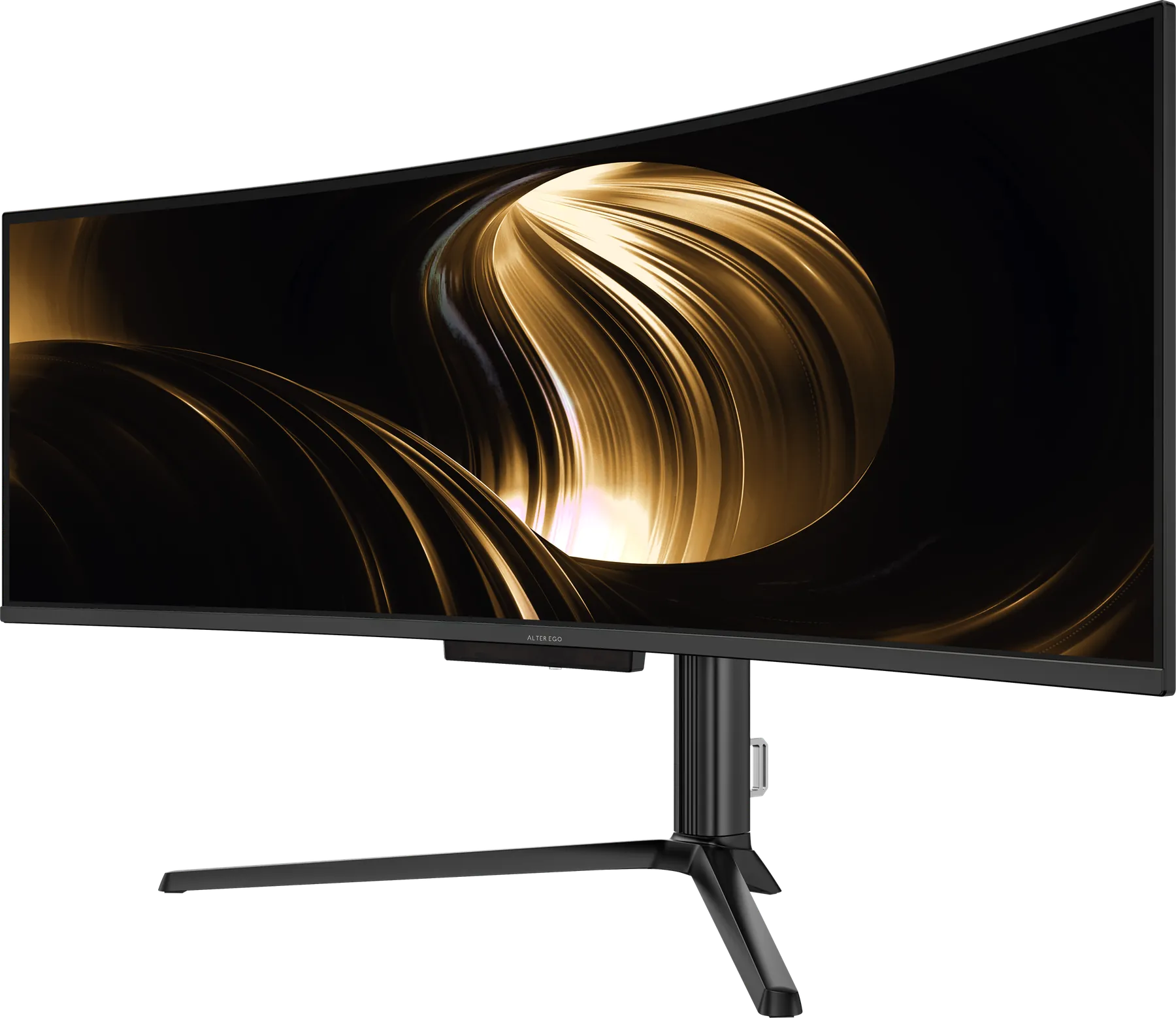
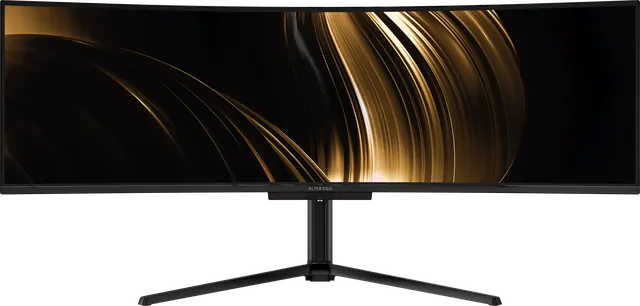
A QD-OLED monitor is a display whose pixels make their own light using blue OLED emitters, with a layer of quantum dots converting part of that blue light into pure red and green. It combines the true black and instant response of OLED with very wide, saturated colour.
How it works, in three steps
- Blue light at every subpixel. Each subpixel has a blue OLED emitter that can be switched fully off.
- Quantum dots change the colour. Above the red and green subpixels sits a layer of quantum dots, nanocrystals that absorb blue light and re-emit it at a precise red or green.
- No colour filter in the way. Because colour is converted rather than filtered, little light is wasted, so colours stay saturated as they get brighter.
What you notice
- True black. Pixels switch off entirely. Nocturne 49 is rated at 1,500,000:1 contrast.
- Instant response. 0.03 ms grey-to-grey on Nocturne 49, so motion stays crisp at 240 Hz.
- Wide colour. Nocturne 49 covers 99% of DCI-P3 and 99% of Adobe RGB.
- A subpixel layout of its own. QD-OLED subpixels are arranged in a triangle rather than a stripe, which can show faint coloured edges on very small text at close range. Most people stop noticing within days.
QD-OLED and other OLED
The other main large-panel OLED family, WOLED, filters white light into colours and adds a white subpixel for brightness. We compare the two in detail here.
Which Alter Ego display is QD-OLED?
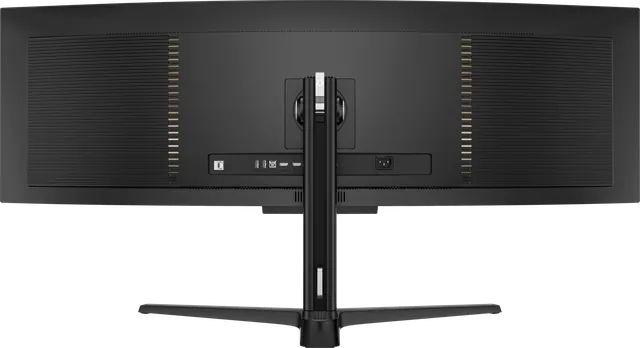
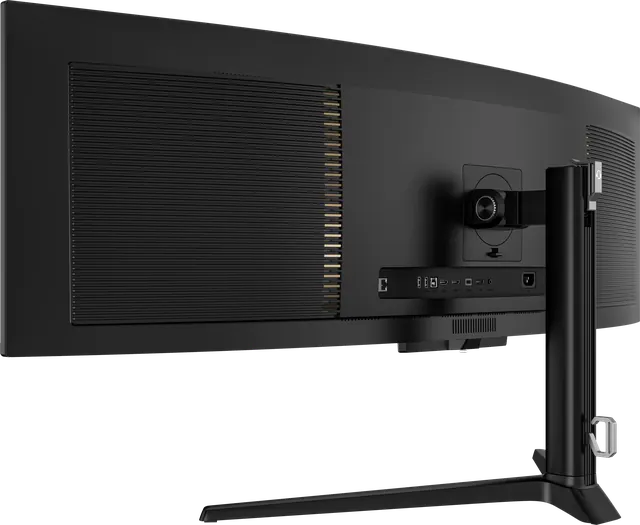
Nocturne 49, the Alter Ego flagship: 49 inches, 5120 × 1440, 1800R, 240 Hz. Solitaire 27 is also OLED, in a flat 27-inch format at 280 Hz.