What the most premium monitors have in common
Price alone does not make a display premium. The best monitors share a short list of qualities: an exceptional panel, honest numbers, restraint in form, a small range and real service. Here is the list, and how Alter Ego meets it.
Ask what the most premium monitor is and you will usually get a list of the most expensive ones. That is a different question. Expensive describes a price. Premium describes what you get for it, and how it feels to own.
The displays that deserve the word tend to share six qualities.
1. The panel comes first
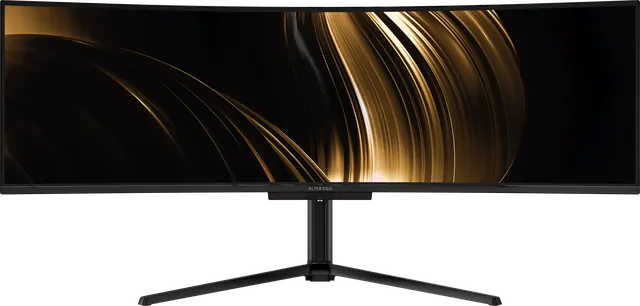
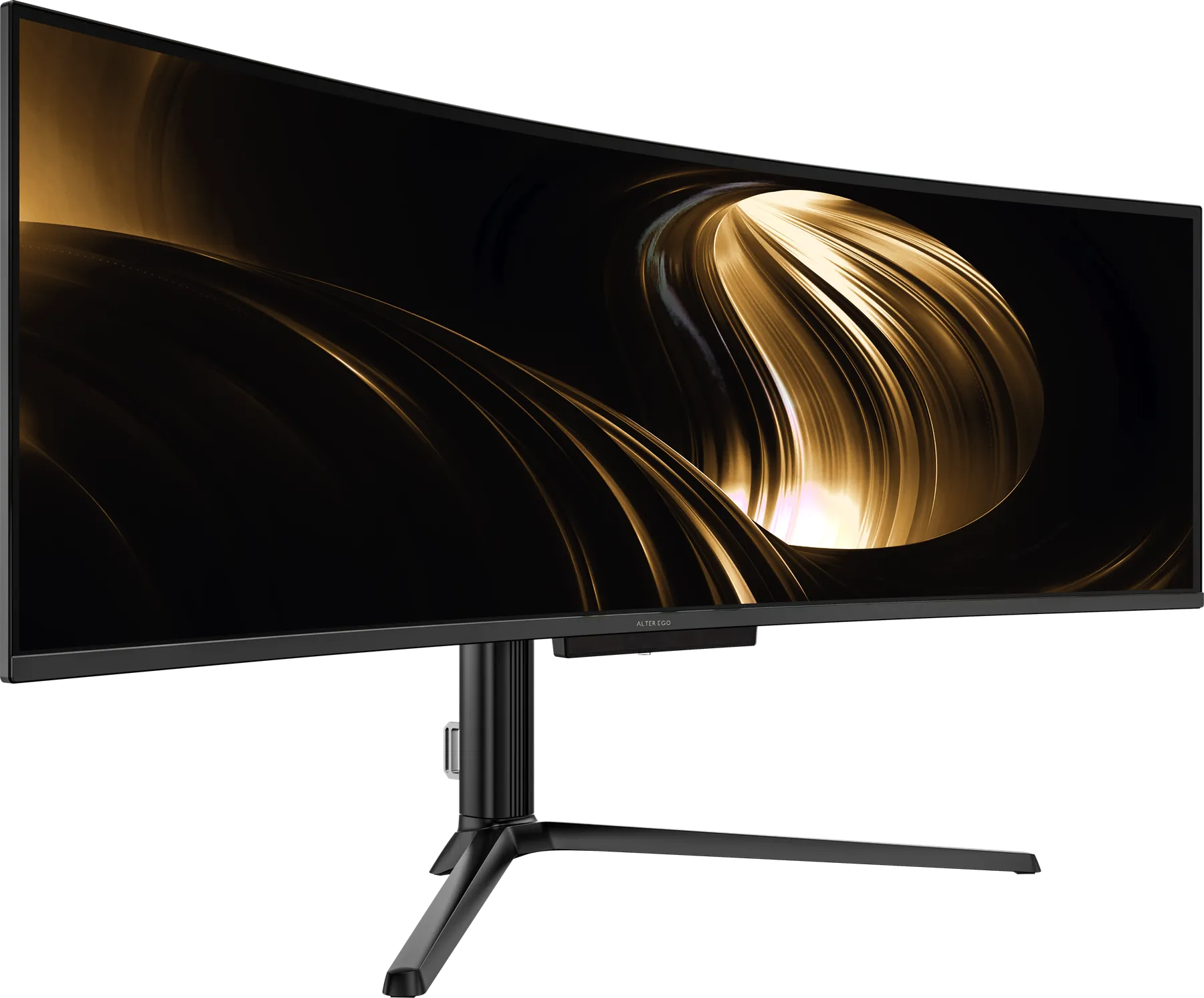
Everything else is packaging around the panel. A premium display is built on one that does something exceptional: true black and 0.03 ms response from OLED, as on Nocturne 49 and Solitaire 27; eleven million pixels and 99% DCI-P3 on Atelier 40; two QHD screens of width without a seam on Horizon 49.
2. The numbers are honest
A premium maker does not need to inflate figures. It states typical brightness as typical, names whether a response time is grey-to-grey or MPRT, and does not dress up backlight tricks as contrast. How to read a spec sheet.
3. Restraint in form
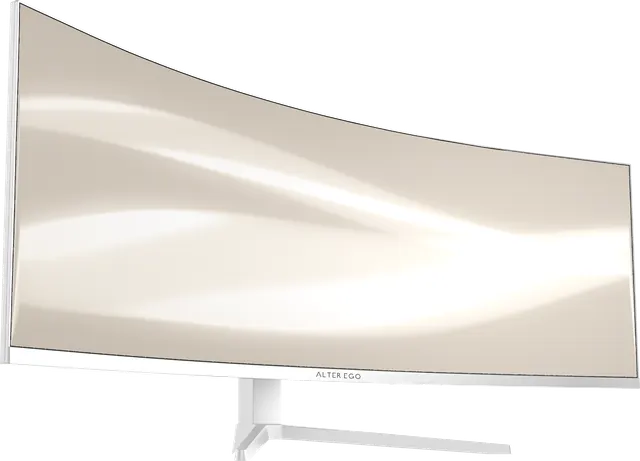
The most expensive cars, watches and speakers rarely shout. Neither should a display. Two finishes, ink and ivory. One signature, printed beneath the panel. No RGB colour effects. The case against RGB.
4. A small range
A maker with forty models is selling price points. A maker with four is selling a point of view. Alter Ego's Collection I has four references, and we add one only when it renders light in a way the others cannot.
5. Considered from every side
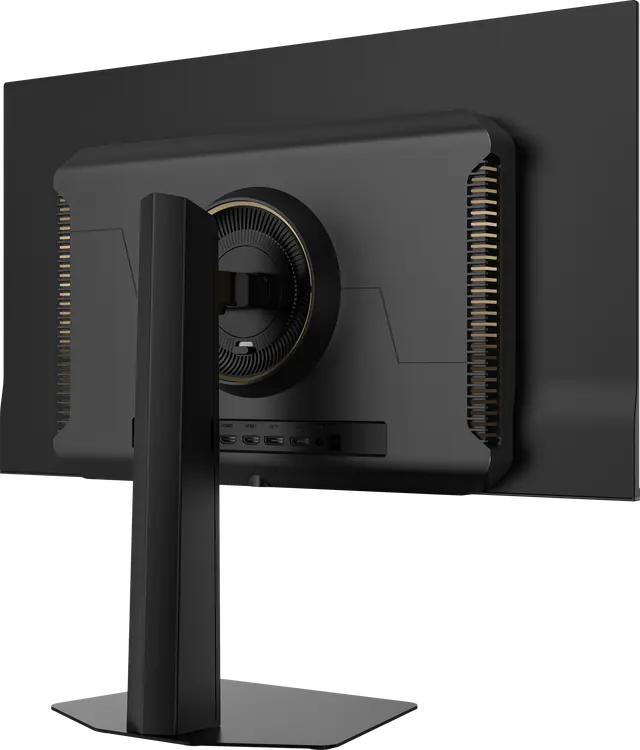
A premium display is finished at the back and in profile, because that is what the rest of the room sees. The object on the desk.
6. Service after the sale
The difference between buying a product and owning one is the person you can call. Every Alter Ego request is handled by a named advisor, from allocation to warranty.
Where Alter Ego sits
Alter Ego was founded on the idea that a display should meet all six. That is why the collection is small, why every reference is released in limited, numbered allocations, and why the only thing on the front of an Alter Ego display is the picture.